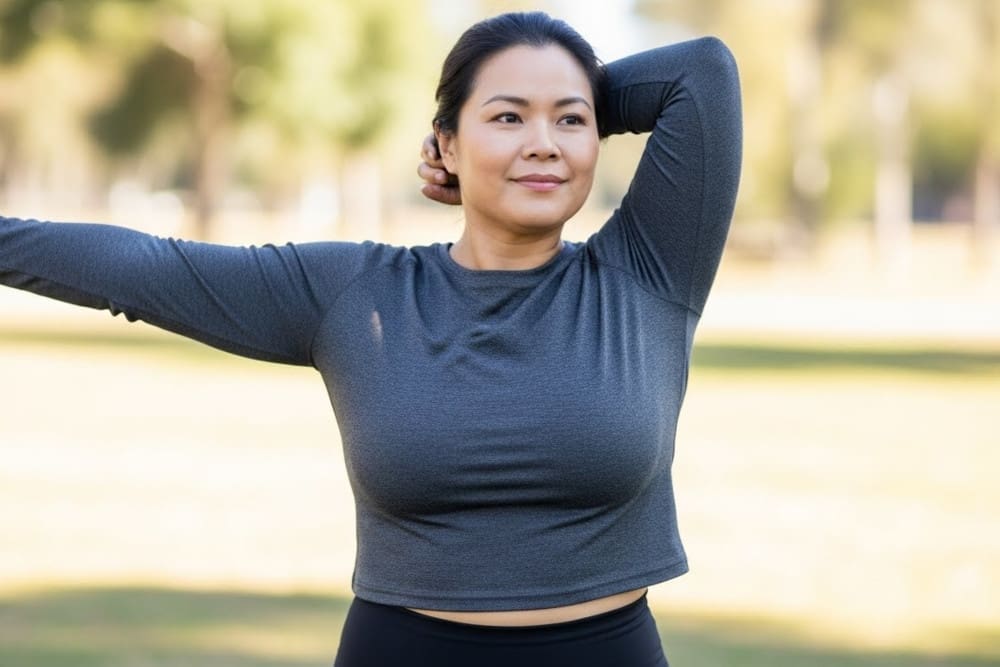
Weight changes can affect many areas of the body and, unfortunately, this can also include breast implants. While breast implants themselves don’t change size with weight loss, the natural breast tissue and skin around them can. Here’s what to know if you are planning to lose weight and already have breast implants.
What Happens to Breast Tissue When You Lose Weight?
Natural breast tissue contains a combination of glandular tissue and fat. When you lose weight, some of that fat loss can occur in the breasts. For some women, this leads to only a subtle reduction in breast fullness. For others, especially those who lose a significant amount of weight, the volume reduction in the breasts can be more noticeable.
How much the breast shape changes depends on several factors, including skin elasticity, genetics and how much natural breast tissue you had prior to getting implants.
How Weight Loss Can Change the Appearance of Implants
With less natural tissue covering implants after weight loss, they may appear more prominently or may show a rippling effect, especially with saline implants. Some women also notice a flatter upper pole or increased sagging as the skin and tissue lose volume.
These changes don’t mean anything is “wrong” with the implants themselves, but they can have a noticeable difference in their appearance.
Does Implant Type or Placement Affect the Outcome?
Yes, both implant type and placement can influence how breasts look after weight loss.
Silicone implants tend to feel and look more natural as breast tissue thins compared to saline implants, which may show rippling more easily in women with less natural breast tissue. Cohesive or “gummy bear” implants are designed to hold their shape and often show fewer irregularities on the surface.
Breast implant placement matters as well. Submuscular implants, which sit partially under the chest muscle, usually have more tissue coverage and may camouflage changes better during weight loss. Subglandular implants, placed above the muscle, can become more noticeable if breast tissue volume decreases significantly.
How Much Weight Loss Makes a Noticeable Difference?
Small weight fluctuations usually have little to no impact on breast appearance with implants. Larger weight loss, often around 20 to 30 pounds or more, is more likely to affect breast shape and volume. Rapid weight loss, which often occurs with weight loss medications, can also lead to increased skin laxity, which may make changes more visible.
Can Weight Loss Lead to Needing a Lift or Revision?
In some cases, yes. Significant deflation or sagging may make a breast lift worth considering to restore shape and position. Other women consider revision surgery to change implant size, type or placement.
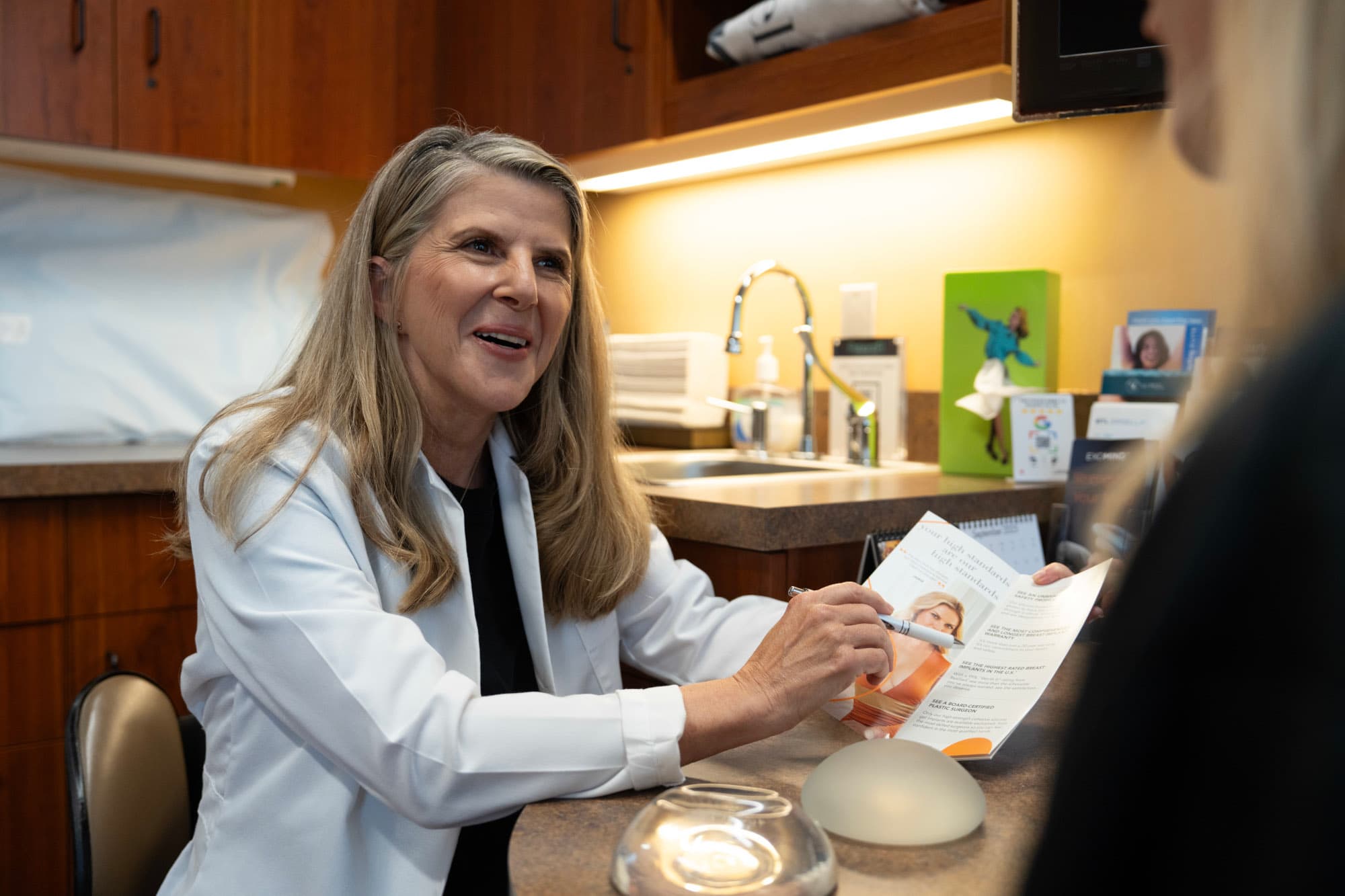
If you notice increased rippling, discomfort or a change that doesn’t match your aesthetic goals, it’s a good idea to schedule a consultation with Dr. Harrington. She can help to clarify what’s happening and which options make the most sense for you.
To schedule your consultation today, call our Plymouth office at 651-290-7600 or get in touch with us online.